The corporate sector is undergoing significant changes influenced by various emerging trends. Technologies such as artificial intelligence and blockchain are redefining operational frameworks. Simultaneously, shifts in consumer behavior and a growing emphasis on sustainability are shaping business strategies. Data analytics is becoming indispensable for informed decision-making. These elements collectively create a landscape ripe for exploration, revealing how organizations can enhance resilience and agility in a fast-evolving marketplace. What lies ahead for businesses navigating these dynamics?
Emerging Technologies Shaping the Corporate Landscape
As businesses increasingly adopt digital transformation strategies, emerging technologies are fundamentally reshaping the corporate landscape.
Artificial intelligence enhances decision-making and operational efficiency, enabling organizations to harness vast data insights.
Concurrently, blockchain technology introduces unprecedented levels of transparency and security, fostering trust in transactions.
Together, these innovations empower companies to operate more autonomously and responsively, promoting a future characterized by increased freedom and adaptability.
Consumer Behavior Shifts and Their Impact
The rapid adoption of emerging technologies, such as artificial intelligence and blockchain, has not only transformed operational capabilities but also significantly influenced consumer behavior.
Shifts in consumer preferences are prompting organizations to enhance their market adaptability. Businesses must now prioritize understanding these dynamics, ensuring their offerings align with evolving demands, thereby fostering a responsive environment that champions consumer autonomy and innovation.
Sustainability Trends Driving Business Innovation
Sustainability has emerged as a pivotal force in shaping business innovation across various sectors. Companies increasingly adopt green initiatives and eco-friendly practices to minimize their carbon footprint.
Emphasizing sustainable supply chains and the circular economy, businesses leverage renewable resources to foster resilience and efficiency. These trends not only enhance competitive advantage but also align with consumer demand for responsible corporate behavior, driving lasting change.
The Role of Data Analytics in Strategy Development
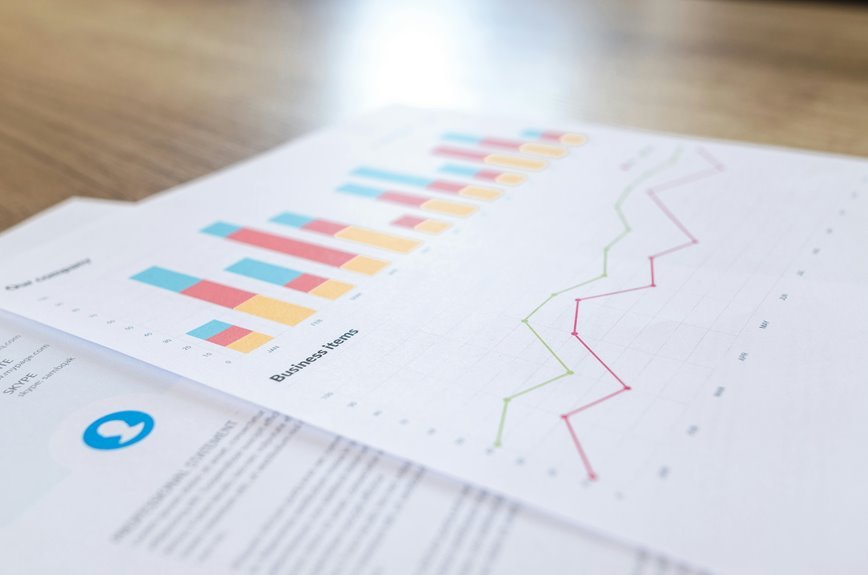
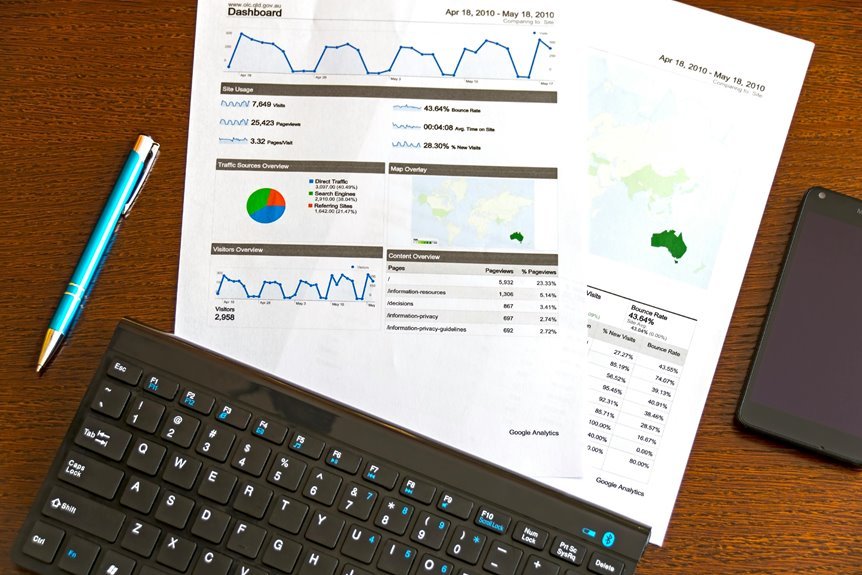
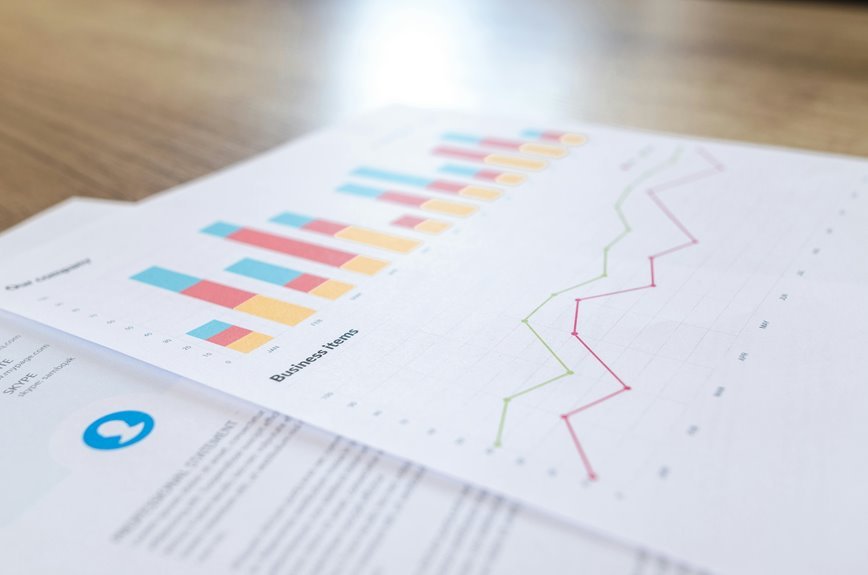
Data-driven decision-making has become essential in shaping effective business strategies. Organizations increasingly leverage data visualization techniques to comprehend complex data sets, enhancing clarity in strategic discussions.
Predictive analytics applications aid in forecasting trends and consumer behavior, enabling firms to anticipate market shifts. By integrating these analytical tools, businesses can develop robust strategies that promote agility, innovation, and ultimately, competitive advantage in the marketplace.
Conclusion
In conclusion, the convergence of emerging technologies, shifting consumer behaviors, and sustainability initiatives is redefining the corporate sector. The theory of dynamic capabilities suggests that organizations must continuously adapt to these changes to maintain competitive advantage. As companies leverage data analytics to inform strategic decisions, they enhance their resilience and foster innovation. This synthesis of agility and responsibility not only meets evolving market demands but also positions businesses favorably in an increasingly complex and interconnected environment.